

Testing your DNA can open many windows into pathways in the body that may not be working as well as they should. Using this information properly can help you feel better, and help some metabolic pathways work better than they have been.
Many people are having their DNA tested for MTHFR, one of the genes responsible for methylating folic acid. Folic acid is necessary for human life, and if you have the MTHFR C677T SNP, you probably are not methylating folic acid efficiently.
The quick response to this gene SNP is to take a large dose of methyl-folate and many people feel better at first. But, there are a significant number of people who, after a few weeks or months of supplementing methyl-folate, start feeling worse.
How is this possible? This nutrient is necessary for life, so why do some people who supplement with a necessary nutrient feel worse?
To help explain this, you need to understand that genes, nutrients and their metabolic pathways are interconnected, and there are usually more than one gene SNP and pathway that is not working well. If you support just one area, that pathway works more efficiently, but pushes the problem further downstream to the next sub-optimal pathway.

Looking at this diagram, you can see MTHFR (3) in the middle of the picture. If there are SNPS for MTR, MTRR, CBS, BHMT, MAT, DHFR, this can affect how the methyl-folate is used.
If there are other areas that needs support, adding methyl-folate can lead to decreases in glutathione, increases in ammonia, glutamate, super oxide, peroxynitrate, decreases in neurotransmitters, nitric oxide and any combination of these, and this can lead to a decreased sense of well-being.
This helps explain why testing only one gene such as MTHFR and not looking at the whole picture can lead to problems.
DNA testing and supporting the pathways are a great way to help understand where some imbalances may be, and to help correct the imbalances. Make sure you are working with a practitioner that looks at the whole picture and each part of the above diagram. The genetic report, along with lab tests, medical history, and symptomology should be put together to get a true picture of what needs to be done, and in what order. Sometimes labs such as NutrEval, Organic Acid test or Methylation pathway tests can be very helpful in understanding what is going on and what needs to be done.
Here is a short video that can help you understand that genetic testing and interpretation needs to be done completely, not just addressing one or two genes.
Click the image below to view the video.
Feel free to contact me if you have any questions.
I am a registered pharmacist with a Doctorate in Naturopathic Medicine who provides in-depth consultative services at Johnson Compounding & Wellness.
My guiding philosophy is to treat the person as a whole, not to chase symptoms. I focus on finding the “why” to what is happening physically and mentally, and works with individuals to restore balance in the body.
Find out what a naturopathic consultation is all about. This short video will explain the differences between the traditional (main stream) approach and the naturopathic approach.
Consultations can be in person, by phone or over the internet by video.
Please feel free to contact me with any questions.

Every fall and winter, the media begins pumping stories about why you should be afraid, even very afraid, of the flu.
Here is an article by Dana Ullman that shows historically, how homeopathy has helped during flu epidemics.
Source:Spirit of Change: Lessons From A Century After The Flu Epidemic Of 1918: How Conventional Medicine Killed Millions And How Homeopathic Medicines Saved Millions
This short video recorded last year explains the benefits of probiotics during the cold and flu season. Dr. Gary also discusses other helpful hints to lessen your chances of getting sick this winter.
Cold and Flu season has arrived. Here are a few homeopathic and lifestyle suggestions to help your whole family this winter.
Click here for more info and to purchase.
Flu season is upon us again. To prevent the flu, we’re told that the best remedy is to get a flu shot—a shot which is consistently ineffective, and, incredibly, still contains mercury in many cases. We at ANH-USA have been beating the drum about vitamin D and its well-documented anti-viral capabilities for years, and there is new evidence demonstrating vitamin D’s role in preventing respiratory infections. When faced with the choice of a cheap, safe, and effective natural immune defense against the flu, or an expensive, dangerous, and ineffective vaccine that makes drug companies billions of dollars—which will our crony health officials choose?
The study, which pooled data from 25 studies that included more than 10,000 participants, found that vitamin D supplementation reduced the risk of respiratory infections (cold and flu) by 10 percent overall—and there are reasons to think this figure greatly understates the degree of protection. The protective effect of the sunshine vitamin was even more dramatic in those who were deficient. For the deficient, which about 40% of Americans are, the risk of infection was reduced by half with vitamin D supplementation.
click this link Vitamin D vs. Flu Shots to read the full article
Two great films, a fun afternoon and a great way to learn about homeopathy. Get your tickets early and save!


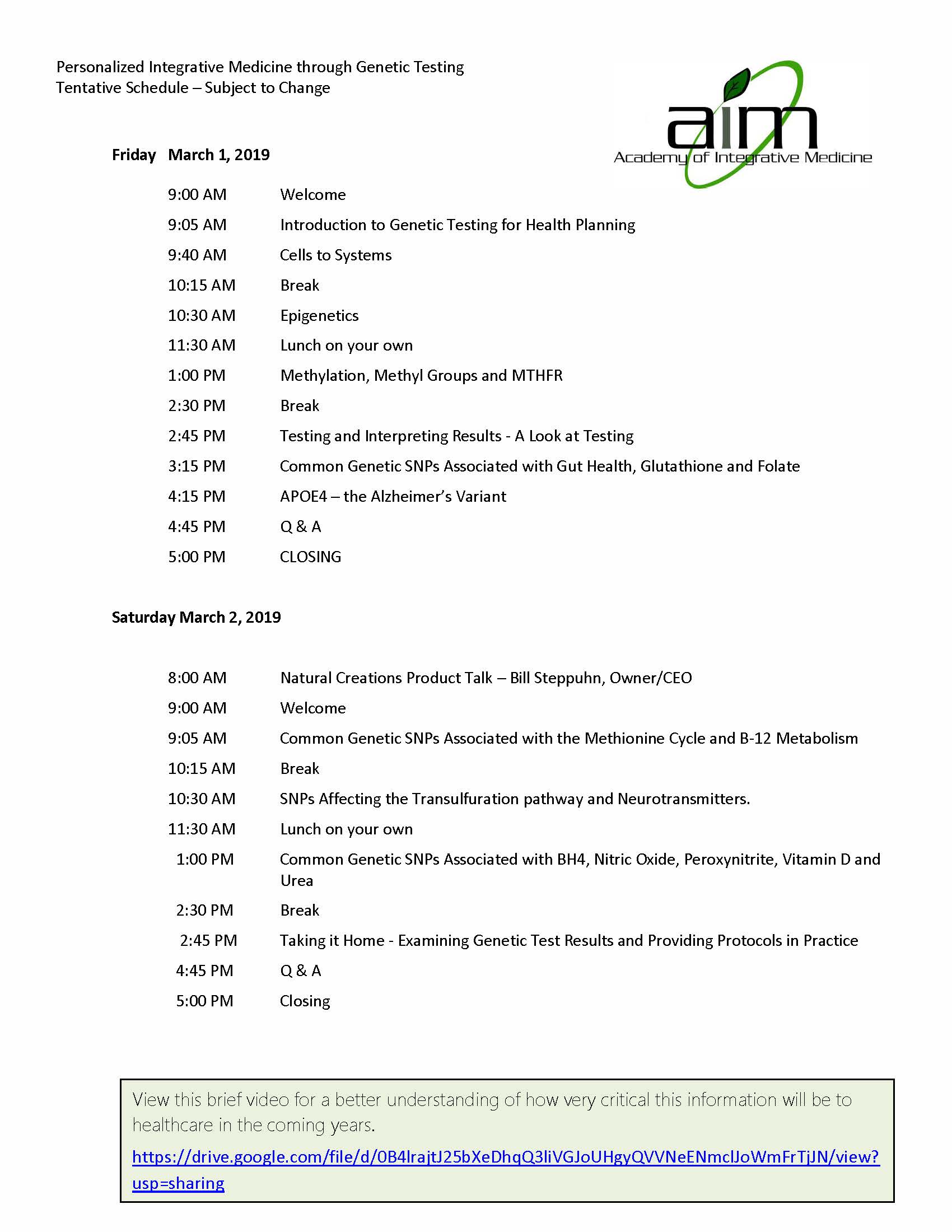
With the advancement of DNA testing and measuring, a new approach to wellness is emerging. Functional Medicine focuses on finding the root causes of illness rather than focusing on and treating symptoms.
DNA researchers have discovered that the root cause of most illness is the presence of free radicals and oxidative stress. Now through genetic saliva testing, we can measure your ability to make and use enzymes that are critical components of your health.
Click here for more info on DNA Testing.
At Johnson Compounding & Wellness we provide lectures monthly throughout the year. These lectures provide good information so you can take charge of your health and be informed on what you can do to help your body/mind function at its highest level.
Many people have been asking how to get info on previous lectures they were not able to attend, We record the presentation and have them posted on our YouTube site.
I also posted recordings of interviews I had with different practitioners, researchers etc. that are now available on YouTube.
You can reserve a seat for lectures at Johnson Compounding & Wellness at Eventbrite.com. We post information usually about one month prior to the lecture. Our bi-weekly newsletter is a also a great source of information about health concerns, products, upcoming lectures and sales at the wellness center. Click here to subscribe to our newsletter.
 Getting into balance 101